In a month of shifting trends, AI conversations, and unexpected brand moments, July highlighted the value of staying authentic.
Crunchwraps & Crisis Comms
Taco Bell has long been the punchline of internet jokes about late night cravings and unhappy stomachs. That made this month’s headlines an especially delicate moment and raised the stakes for how the brand chose to respond. As a multistate cyclosporiasis outbreak linked to Taylor Farms lettuce made headlines, the restaurant chain acted quickly by removing lettuce and several fresh ingredients from menus nationwide as a precaution. What stood out, however, was not just the operational response. It was the communication strategy behind it.
Rather than hiding behind carefully crafted messaging, Taco Bell’s leadership addressed the situation with transparency and accountability, framing the public response as a conversation with loyal customers. The brand didn’t sacrifice its personality in the process, either.
On the social front, Taco Bell’s response quickly rallied its loyal fanbase. Comment sections filled with customers expressing support for the brand, reassuring others that one incident wouldn’t change their loyalty. It was a reminder that when brands invest in trust over time, their communities often become their strongest advocates when it matters most. Shortly after, Taco Bell rolled out $1 promotions on lettuce-free menu favorites, reminding consumers that while the situation was serious, the brand itself hadn’t lost its sense of humor or confidence. Taco Bell put its customers first, proving that honest, human communication can build trust even during challenging moments.
While Taco Bell weathered the storm by leaning on trust it had already built, not every brand had that luxury. And for one, the outbreak wasn’t a threat to manage, it was an opening to take. Little Leaf Farms is housed in a 10-acre greenhouse in Devens, Massachusetts, where no human hands touch the lettuce and the irrigation is purified rainwater. So their CEO embarked on a media and social media campaign to explain why it stood apart from the competition. It worked. That smart communications approach will likely serve them well beyond the outbreak.
Authenticity Develops Best
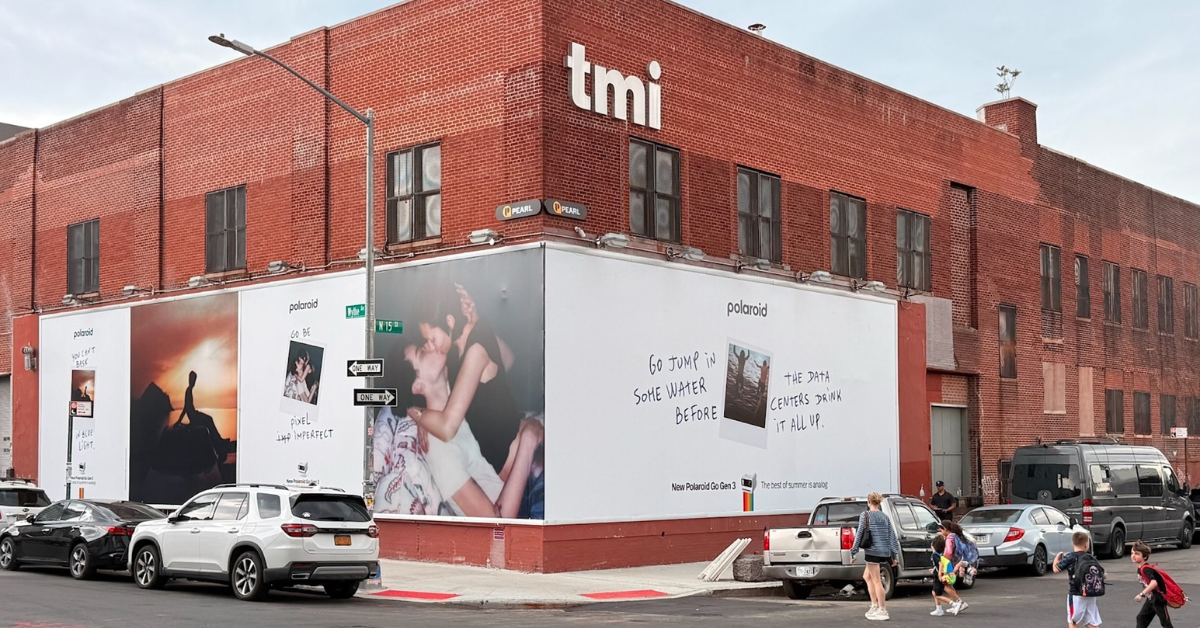
While many brands continue racing to embrace AI, Polaroid made headlines this month by taking the opposite approach. As part of its global “The Best of Summer Is Analog” campaign, the iconic camera brand unveiled a beachside billboard that read, “Go jump in some water before the data centers drink it all up.” The cheeky message wasn’t just a jab at AI, it was a reminder to step away from screens and reconnect with the real world, reinforcing the brand’s long-standing belief that life’s best moments are experienced, not generated.
Polaroid wasn’t alone. This month, several brands leaned into handcrafted, human-made creative. Market Basket’s hand-illustrated Fourth of July flyer was a standout example, celebrating the charm of traditional illustration and reminding consumers that not everything needs to be polished or produced at lightning speed. Together, these campaigns reflect a growing appreciation for craftsmanship, imperfections, and creative work that feels personal. In an increasingly AI-driven landscape, brands are finding that what feels distinctly human can be just as memorable as the newest technology.
Collaboration Over Competition
July was a standout month for brand collaborations, proving that more companies are choosing to partner rather than compete. From Parke’s limited-edition collaboration with Dunkin’, which blended fashion with coffee culture, to LEGO’s Olivia Rodrigo collection, brands continued looking beyond their own industries to create moments consumers genuinely wanted to engage with. Entertainment franchises joined the trend as well, with Spider-Man partnering with Liquid I.V., Disney and Kraft Heinz announcing a long-term strategic partnership, and Minecraft extending its reach through collaborations with brands like Herschel.
These partnerships are about far more than generating buzz. They allow brands to tap into each other’s audiences, borrow cultural relevance, and introduce themselves to consumers who may have never considered them before. When done well, the result can feel like a shared experience, giving both brands a chance to expand into new communities while creating something fresh for existing fans. The takeaway? Collaboration has become one of the fastest paths to growth. Rather than competing for the same audience, July is an example that the biggest opportunity often comes from brands sharing one.
In the Feed:
Reddit Doubles Down on AI
- Reddit expanded its AI-powered advertising tools this month, giving brands new ways to identify relevant conversations, generate creative, and reach high-intent communities. As AI reshapes advertising, Reddit is leaning into what makes its platform unique: authentic conversations and intent-driven audiences.
Threads Reaches 500 Million Users
- Threads surpassed 500 million monthly active users, signaling continued momentum for Meta’s newest social platform and reinforcing its place in the company’s long-term social strategy. The takeaway: Threads is evolving from an emerging platform into one brands should start watching for community building and organic engagement.
Gap Inc. Opens the Creator Program to Employees
- Gap Inc. announced it is expanding its creator program to employees, giving team members the opportunity to create social content for Gap, Old Navy, Athleta, and Banana Republic. The move reflects a growing belief that some of a company’s most credible creators are already on the payroll because they know, wear, and live the brand every day. It’s another example of a trend we saw throughout July: companies are moving away from polished corporate messaging and embracing authentic voices, whether they come from creators, employees, or loyal customers.
See you in August!