
This month delivered its share of brand buzz: March Madness, fast food rivalries, headline-making brand deals, and a little legal drama. Here are a few marketing moments that stood out this month.
Brands Score March Madness Points
From buzzy food promotions to major ad buys and sponsor activations, the NCAA Men’s Basketball tournament – better known as March Madness – is once again giving brands a high-visibility stage to connect with consumers in real time. The tournament remains a powerful cultural touchpoint for brands looking to show up in the conversation and tap into fan energy during one of the biggest shared moments of the season. Fast food chains Wendy’s, Pizza Hut, and Dairy Queen all launched timely campaigns built around the tournament. Playing the name game, Dairy Queen tapped another DQ – New Orleans Pelicans center Derik Queen – and Taylor Swift. Or (Tyrod) Taylor and (D’Andre) Swift.
Big Bets, Bigger Brand Fight
Sticking with the tourney, March Madness is one of the biggest moments of the season for fans and brands alike. This year, it came with a side of legal drama. The NCAA filed a trademark suit against DraftKings over its use of phrases like “March Madness,” “Final Four,” and “Sweet Sixteen” in betting-related marketing, arguing that the language could imply official NCAA endorsement. It’s a reminder that the tournament is not only a prime sponsorship opportunity, but also a tightly protected brand in its own right.
Burger King and Wendy’s respond to McDonald’s CEO
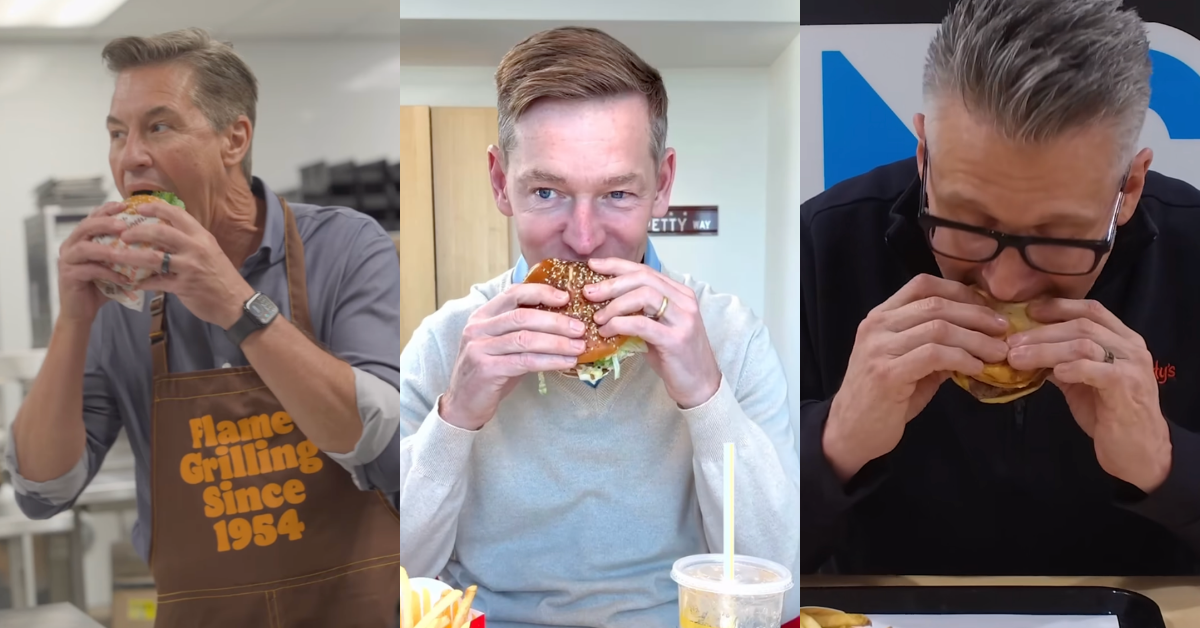
McDonald’s February video starring CEO Chris Kempczinski quickly became the subject of online jokes. What was intended to be a standard executive-led product launch of the new “Big Arch” burger spiraled into a field day of conversation after Kempczinski took a comically small bite of the newest menu item. With the conversation spiraling, competing fast food restaurants Burger King and Wendy’s joined in. Wendy’s sent a dig showing their CEO trying their burger and stating, “This is what it looks like when you don’t have to pretend to like your product.” Burger King chimed in with a similar video of their CEO trying their Whopper. Why is this important? It transforms the dynamic of these competitors from brands talking at consumers to brands participating in culture, and for consumers, this feels more like entertainment than advertising.
The “Regina George” Protein Bar
Turns out the fast food industry wasn’t the only one putting out fires this month. Over in the health and wellness space, one protein bar found itself at the center of a very internet moment. In keeping with quick and easy eats, the popular David Protein company found itself at the center of some social media buzz this month after a class action lawsuit was filed against their popular protein bar. The bar has built a loyal following among health-conscious consumers for its marketed low-calorie, low-fat, high-protein profile. But the lawsuit raised questions about whether the nutritional content aligns with what’s on the label.
Consumers took to social media saying they had been “Regina Georged,” channeling the iconic Mean Girls villain in only the way the internet can. But David Protein didn’t shy away from the moment. Their response was quick, confident, and pretty well executed:
- Rather than going quiet or going corporate, the brand leaned into humor on social media, quipping, “Nobody is getting Regina Georged.” It was self-aware, disarming, and exactly the kind of response that plays well in a scroll-happy world where tone can make or break a brand moment.
- Founder Peter Rahal also stepped in personally, repeatedly framing the situation as a misunderstanding of nutritional science and FDA-approved testing methods — shifting the conversation from “misleading” to “misunderstood innovation” and keeping the brand’s credibility intact.
In the Feed:
TikTok Goes Beyond Video
- TikTok continues to expand beyond short-form video, positioning itself as a broader media platform. This month, the app launched “TikTok Radio” in partnership with iHeartMedia, blending trending audio with creator-driven content and planting TikTok’s flag in the streaming space. The play is clear: one platform, one integrated experience, endless scroll.
Meta’s Money Moves
- Meta made one of the biggest moves of the month with Creator Fast Track, a new Facebook program designed to lure creators back with guaranteed monthly payments and faster access to monetization. That’s a pretty loud signal that creator competition is still heating up across platforms.
Age Before Access
- The debate around youth social media use is getting louder. Pinterest’s CEO recently called for a ban on social media for users under 16, echoing a broader global push for tighter regulations and stronger protections for younger audiences. For marketers, the takeaway is simple — age restrictions, verification tools, and tighter targeting limitations are likely coming. It’s worth getting ahead of it now.
Meet you back here in April!