
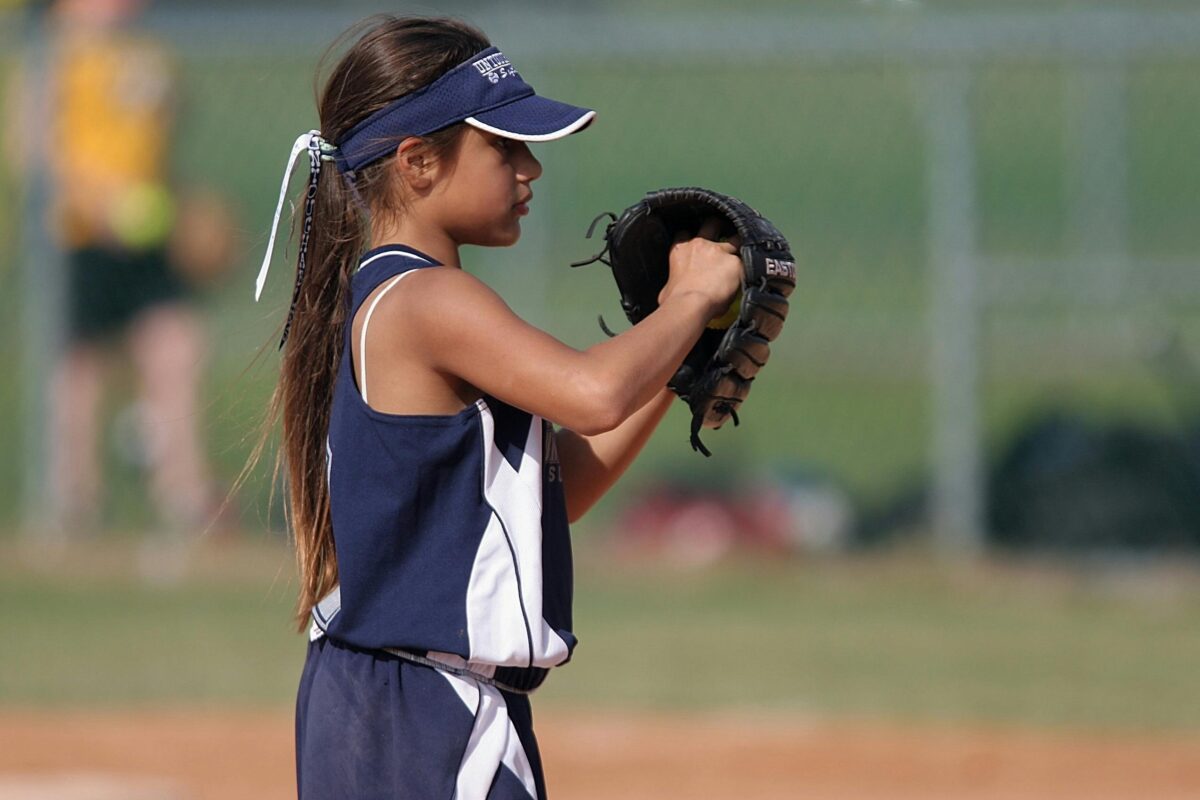
It’s that time of year when parents trade hockey rinks and winter activities for baseball fields, soccer sidelines, and spring tournaments. And while the sports may change, one thing doesn’t: the enormous time, money, and energy families invest in youth athletics.
The next great growth story in sports marketing is down – not up. There’s real action happening at the grassroots level, where America’s youngest athletes and their families are fueling a $40–$60 billion youth sports economy.
Youth sports have evolved into a full-fledged business ecosystem, complete with apparel deals, tech platforms, training academies, and major facility investments from private equity. And money is continuing to pour in. Firms have invested billions in platforms like TeamSnap, event giants like Varsity Brands, and elite institutions like IMG Academy. Carvana even outfits 60,000 youth soccer players through its partnership with Rush Soccer.
For brands, youth sports is the next big win.
A Passion-Fueled Market With Real Spending Power
The average U.S. family spends more than $1,000 on their child’s primary sport – a 46% jump from 2019, according to Aspen Institute research. Certain sports have seen even more explosive growth. Dick’s Sporting Goods said baseball, for instance, was its “most lucrative” sport, with an average family’s annual spending on baseball increasing nearly 70% between 2019 and 2024.
This isn’t just discretionary spending. It’s emotional capital. Parents see youth sports as an investment in their child’s development, potential, and identity. Nearly one in five believe their child has Division I potential, and whether or not those dreams materialize, that belief shapes how families spend, what they prioritize, and which brands they trust.
Recent research, commissioned by Priority Partnerships and conducted by YouGov Sport, confirms the value of this market:
- Among youth sports parents, brands sponsoring their child’s specific program captured 81% attention likelihood, compared to 52% for sponsoring the NFL team they love, and just 32% for influencer marketing.
- Parents are 1.5x more likely to pay attention to a brand sponsoring their child’s program than one sponsoring a pro team they care about.
- Youth sports sponsorship delivers 2.5x the attention of influencer marketing and 1.6x the attention of TV commercials.
- 84% of youth sports parents hold positive sentiment toward brand sponsorship, with only 3% expressing negative views.
The full-funnel data is equally striking. When asked how they respond to learning about a brand through a local youth sports sponsorship, 73% of parents said they were likely to consider the brand, 60% said they were likely to purchase from it, and 80% said they would choose that brand over a competitor of equal cost and quality.
Compare all of that to what brands are paying for elsewhere: channels where ad avoidance is rampant, influencer trust is harder to come by, and audience measurement grows less reliable by the quarter. Youth sports offers the inverse: a lucrative combination of reach, engagement, affinity and trust.
How Brands Should Be Showing Up
Winning in youth sports means thinking beyond logos on jerseys. Smart brands are embedding themselves into the experience of youth competition and community:
- Utility-driven partnerships: Tech platforms like TeamSnap, StackSports, and LeagueApps offer integration opportunities that make parents’ lives easier – and keep your brand top of mind every time they check a schedule or coordinate a carpool.
- On-site experiences: Tournaments and showcases are natural stages for memorable, shareable brand experiences. Done right, they travel organically through the parent social networks that no media buy can replicate.
- Purpose alignment: Access and affordability in youth sports are real issues. Brands that fund access programs aren’t just doing good; they’re doing smart. Support access and inclusion in youth sports to resonate with modern parents who care about opportunities for all kids.
- Gear and appearance: Uniform and equipment partnerships put your brand in direct, repeated contact with families at the most emotionally charged moments of their week. That kind of repetition, in that kind of context, builds the felt brand relevance that conventional advertising struggles to manufacture.
- Authentic content: Tell stories that feel real to this audience. Content that reflects this audience back to itself. Brands that curate and create organic content featuring real families, real moments, and real journeys allow parents and athletes to see themselves in the brand. That kind of representation builds emotional connection, and ultimately, lasting affinity that can’t be manufactured through traditional advertising
Today’s most underrated marketing channel is a Saturday morning baseball diamond, a Tuesday evening travel soccer field, a weekend gymnastics meet. It’s where parents show up week after week — wallet open, heart fully invested, attention undivided. The early movers are already there. And the parents who make up this market are waiting to meet brands that show up for them in the places that matter most.