As a project manager at a creative agency, I spend a lot of time thinking about what people need to produce their best work. Less time chasing information and handling repetitive tasks. More room to think, experiment, and use their instincts. And the trust to share an unfinished idea or speak up when something isn’t working.
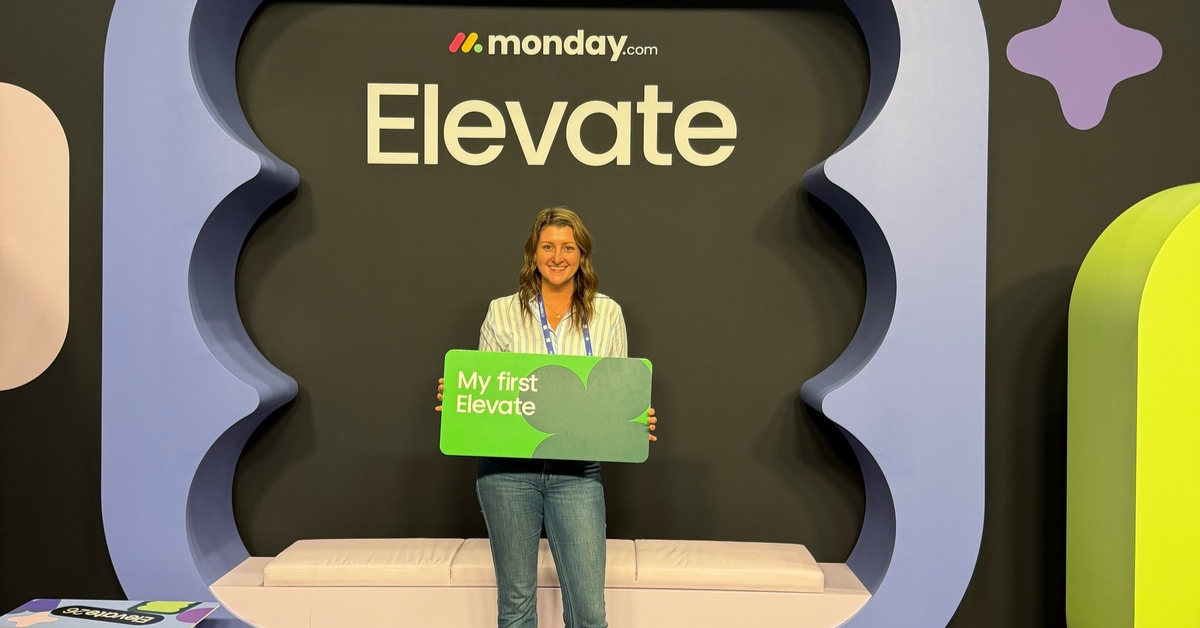
With those priorities in mind, I recently attended monday.com’s Elevate conference in New York.
After taking in sessions on AI and resource management, and yes, a conversation featuring Ryan Reynolds, I came back with fresh perspectives and plenty of practical ideas to put into action.
Here are three that stuck with me.
Start with the challenge, not the technology
There are plenty of opportunities to bring AI into our work. The key is figuring out where it can make the most impact.
That starts with identifying a specific problem worth solving: Which tasks repeat from project to project? Where could information be easier to access? What would make life easier for our teams?
For me, that could mean helping organize incoming requests, pulling together project background, or keeping next steps easy to find. Small efficiencies that add up to more time for collaboration and creative thinking.
The more we can use AI to eliminate that friction, the more time and attention our teams can devote to the work that really matters.
Protect what makes you exceptional
One of my favorite discussions from the conference focused on intuition and taste.
Sure, AI can generate a lot of ideas quickly. But knowing which ones will actually resonate takes a deeper understanding of your client and their audience. There’s instinct involved, too, developed through experience and a feel for what connects with people. That human judgment is a big part of what clients come to an agency for, and it remains essential as AI becomes part of the process.
The session also introduced the idea of protecting your “zone of genius”: the work you’re especially good at and enjoy doing. It’s a useful way to think about AI. Which tasks would you gladly hand off, and which parts of your work deserve more of your attention?
At CTP, I want to explore tools that give our people more time for the work they’re great at. From a PM perspective, that means creating schedules that leave room to think, experiment, and fully work through an idea.
Moving quickly takes trust
And then there was Ryan Reynolds. Admittedly, not the first person who comes to mind when you think about project management and agency operations. But to my surprise, much of what he said stuck with me.
He spoke about responding to cultural moments while they’re still relevant and the collaboration needed to make that possible. What resonated with me most was his emphasis on creating an environment where people feel comfortable disagreeing, sharing unfinished ideas, and admitting when they don’t have all the answers.
That’s something worth protecting in any creative environment. If a deadline feels unrealistic, I want someone to feel comfortable enough to say so. The same can be said for challenging a brand strategy or creative direction. Those conversations are most valuable when there’s still time to act, which means people need to feel comfortable speaking up.
Sometimes a strategic shift or creative disagreement is what leads to the biggest breakthroughs. That kind of openness doesn’t slow the process down. It helps us get to better ideas, faster.
I left New York with a notebook full of ideas and a longer to-do list (very on brand for a PM). Now it’s time to tap into my “zone of genius” and turn those ideas into a plan. And yes, there will probably be a new monday.com board involved.